Field NotePolar
Antarctic Peninsula
November 7, 2026
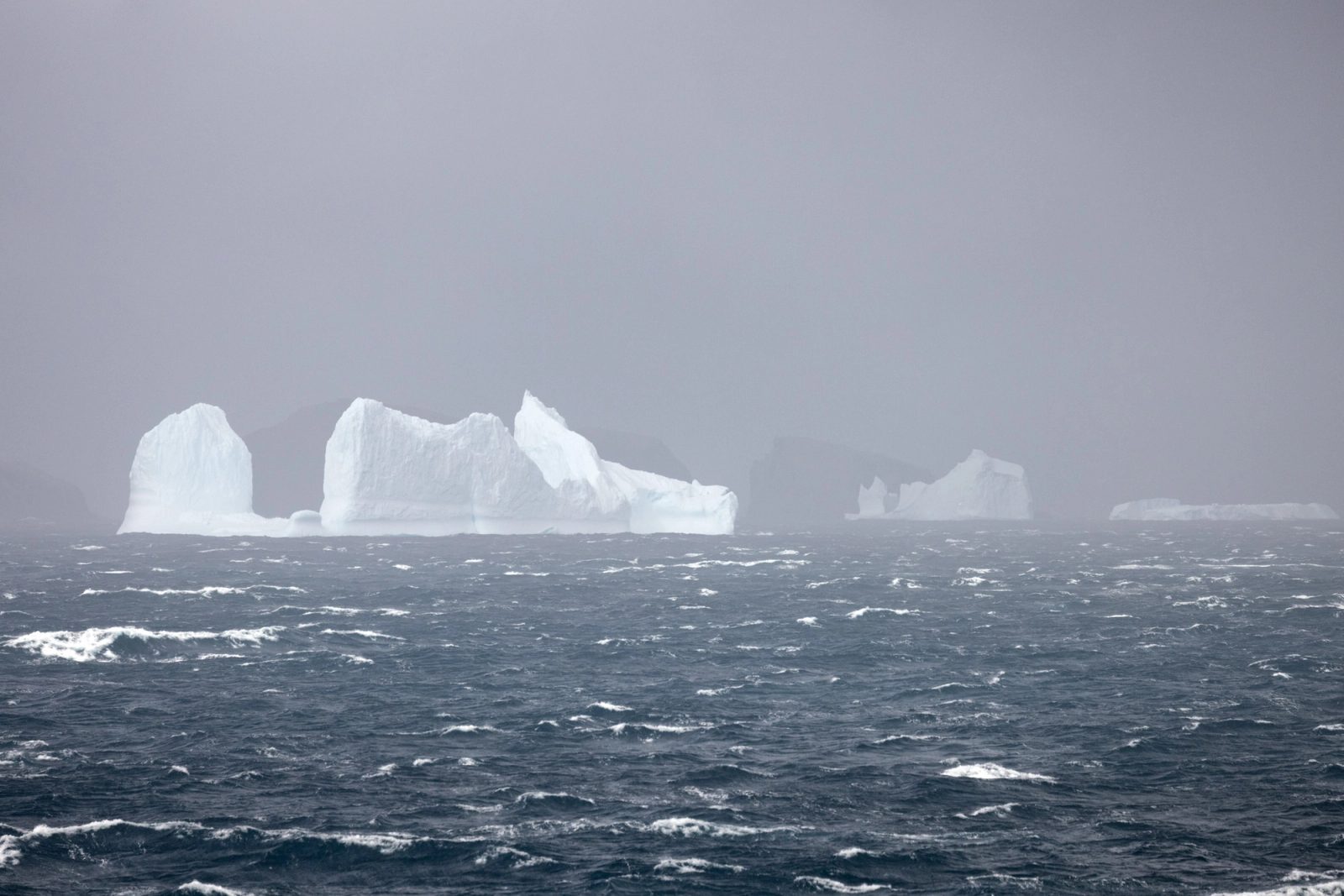
It took three days to get from South Georgia to the Antarctic Peninsula, one more than planned because the seas were rough again. We stopped at the South Shetland Islands on the way. From the ship I watched a small group of gentoo penguins on a passing iceberg. A few more came hopping out of the water and climbed up to join them.
I'd assumed the Peninsula would be a flat chunk of ice. It's not. The mountains come straight out of the water, covered in snow and glaciers, and they go on in every direction. It also wasn't as cold as I expected, though we were there in spring and I'm sure winter is miserable. The weather changed constantly. A clear, bright morning could turn to snow and wind in minutes.
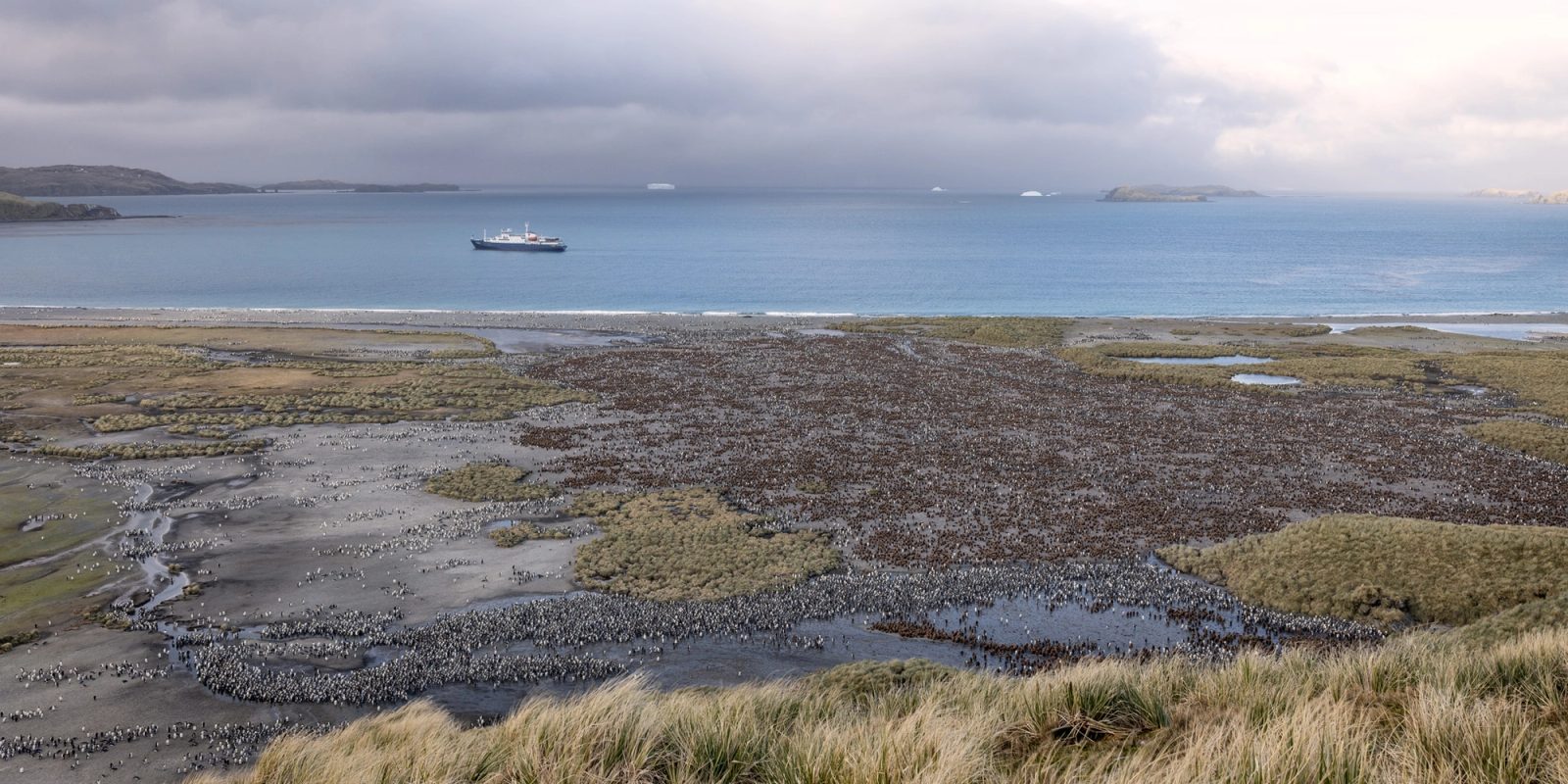
As we approached Danko Island, we expected to see the big gentoo colony the guides said usually nests there, between five and eight thousand birds. The island looked empty. Where had they all gone? Then we got closer and saw them in the water, huge groups of them. Wave after wave swam in, jumped onto the land, and started climbing the hill. The island's high point is 430 feet. The colonies had been out at sea feeding, and now they were headed home. We came ashore right during the thick of it. It was like a highway, and we were standing in the middle of it. More than once I had to step out of the way as a group came straight at me. The crew said they had never seen anything like it.
The weather didn't let up. The snow blew sideways. Then we'd get a few minutes of decent visibility, and then it would go to a complete whiteout. When it's like that, you can't tell where the ground ends and the sky begins, and it feels like being inside a ping-pong ball. We kept going, only slower. We snowshoed toward the summit. It was in the low twenties, and the wind got stronger and the snow eased off, blowing the fresh snow across the slope. The more the snow let up, the easier it was to find our way. The view from the top was great but short. The wind and snow closed it in quickly.
At Yankee Harbour, the gentoos had enough bare rock to nest, and the thievery was the funniest thing I saw on the whole trip. A penguin would sneak over to a neighbor's nest, grab a rock, and waddle back as fast as it could to add it to its own. It was happening all over the colony. They were rock-stealing bandits. When one got caught, there was loud gabbling and a lot of commotion. When one didn't, it scampered off like it had just pulled off the perfect crime.
Another day, we went out in the zodiacs around Cuverville Island, looking for penguins and leopard seals. The water was packed with ice, from chunks the size of buildings down to pieces the size of ice cubes. It looked like a giant ice bath. We spent hours cruising around in it.
We never did get to shore. The tide and wind kept pushing the ice in tighter, and the zodiacs couldn't make any more progress. We'd go back out, look for another opening, and run into the same thing. We saw only a few penguins and no leopard seals.
It wasn't dangerous, just cold. The floors of the zodiacs are metal, and with no insulation, the cold comes straight up through your boots. When you're sitting still, you lose heat fast. We kept sightseeing, taking pictures, and watching the ice move.
Then the ship called us on the radio. The wind and the tide had changed, and bigger icebergs were being pushed toward the ship. It had to move farther out for safety. That's not a quick job. The crew has to pull anchor, find a new spot, and drop anchor again. Then they have to rig the crane and the ladder so we can get aboard. That added hours to our time in the boats.
Some people were really cold, so the crew sent the coldest groups back first. By the time my group climbed aboard, we were all thoroughly chilled.
I came expecting a flat, frozen, quiet place. What I found was mountains, thousands of penguins, and an amazing ice playground. It's only a matter of time until I go back.
The print that belongs with this note
The Climb — Collector Edition